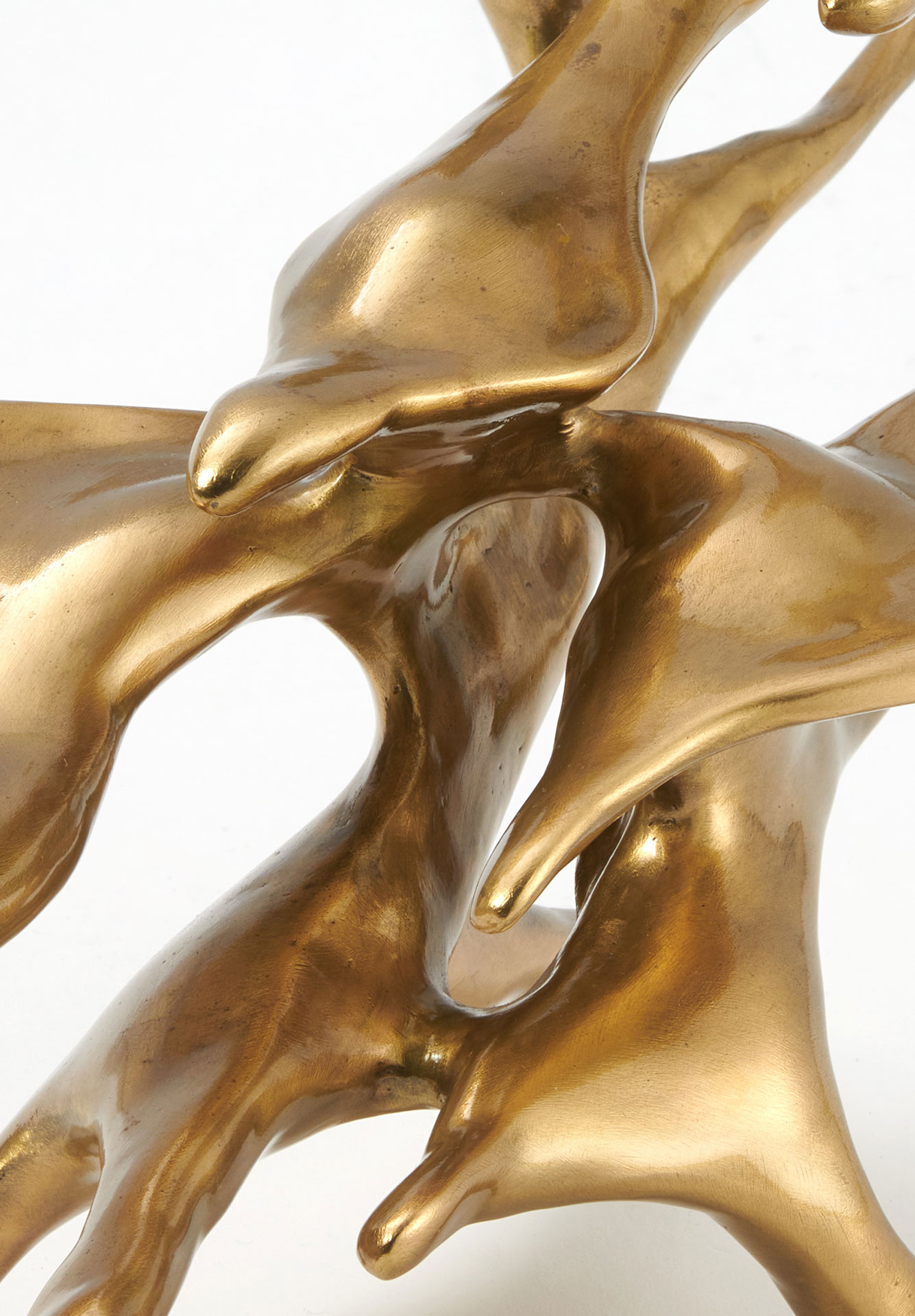
是從心理層次到美感層次,在情境中將心比心,燃燒悲憫之情所觸發的美意識。所以說:春有百花秋有月,夏有涼風冬有雪(慧開)。放火燒的正是你心中眷戀的那個鏡花水月。
物哀、幽玄和侘寂,有著心性寂止與勝觀下的場景不同。而美好的事物,不僅能讓人重温昔日的榮景,療癒之外還能給人勇氣去憧憬未來。
花見、狩楓、月見、賞雪,同理心下的移情,人們會被吹送到心中嚮往的那個時空,那個非常內在而真摯的時空。在那裡,只有人們信以為真的美好,才遺世獨立地存在。願在春天花下死,二月十五月圓時(西行)。那樣的悲憫之美,一如餘燼般星火燎原了人們的苦悶。情思翻飛的那個絕對的世界裡,所見浩瀚如咫尺,彈指間即永恆。
It is from the psychological level to the aesthetic level, and the aesthetic consciousness is triggered by empathy in the situation. So, it is said: there are flowers in spring, moon in autumn, cool breeze in summer and snow in winter (Master Hui Kai). What you set on fire is the mirage that you are attached to in your heart.
Mono no aware, yugen and wabi-sabi have different scenes under the tranquility of mind and the grand view. Beautiful things can not only make people relive the glory of the past, but also give people the courage to look forward to the future in addition to healing.
Seeing flowers, hunting maples, seeing the moon, and admiring snow, the empathy under empathy will blow people to the time and space they yearn for in their hearts, that very inner and sincere time and space. There, only the beauty that people believe in exists independently from the world. wishing to die under the flowers in spring, when the moon is full on February 15th (traveling west). Such compassionate beauty, like an ember, ignites people’s depression. In that absolute world where emotions are flying, what you see is vast as if it is within reach, and eternity is in the blink of an eye.

 Jason SHIH 施承澤 /藝術創作